 RedNote (Xiaohongshu) Style Chinese Names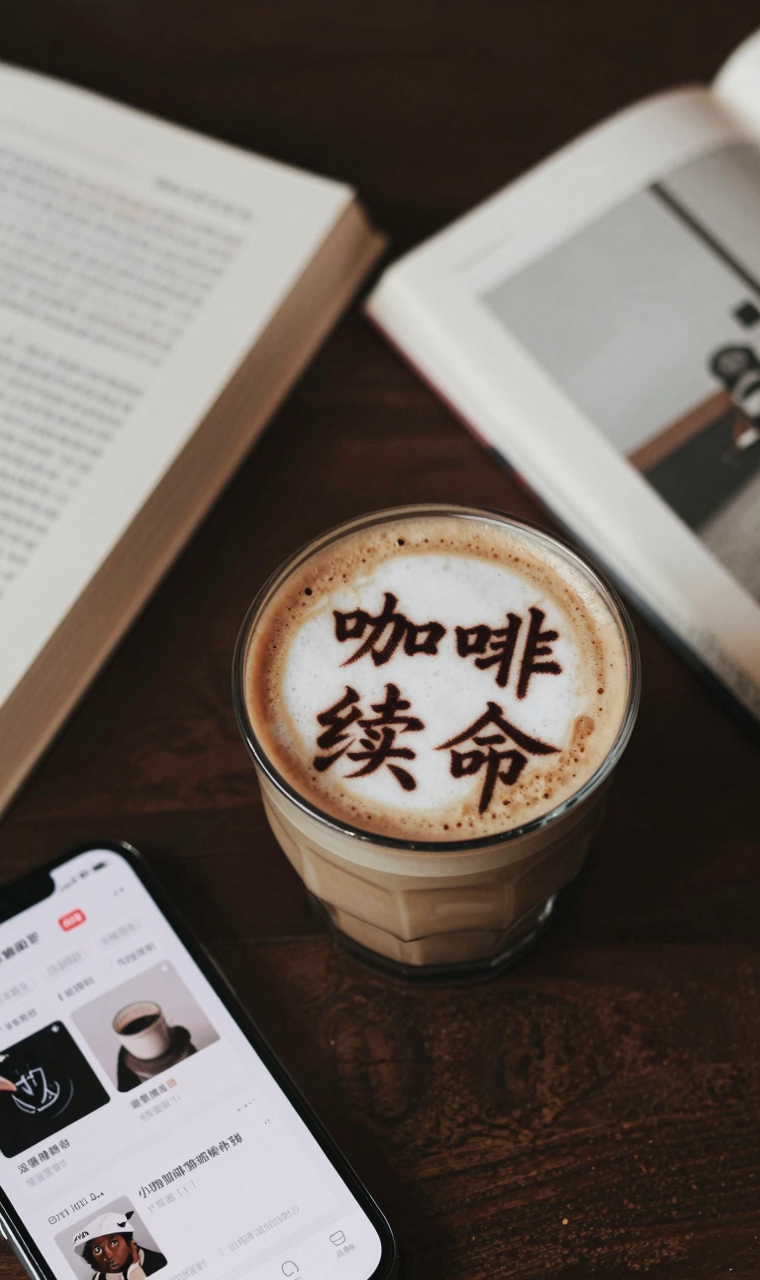
Why Chinese Youth Use 'Sang Culture' (丧文化) as Online Names
If you scroll through Xiaohongshu or Douyin, you'll notice a curious trend: young Chinese users adopting names like 咖啡续命 ("coffee keeps me alive"), 人间不值得 ("this world isn't worth it"), and 睡不醒的日常 ("perpetually sleepy daily life"). This phenomenon — known as 丧文化 (sàng wénhuà), or "Sang Culture" — has become one of the most distinctive naming trends on Chinese social media.
Sang Culture emerged around 2016-2017 as a collective response to the intense pressures of modern Chinese life: the 996 work culture (9am to 9pm, 6 days a week), fierce academic competition, and rising living costs. Rather than projecting the traditional Chinese values of optimism and perseverance, Sang Culture embraces a tongue-in-cheek pessimism. It's not genuine despair — it's performative exhaustion, a way of bonding with others through shared frustration.
For foreign users choosing a Chinese name, a Sang-style handle signals cultural fluency and self-awareness. Names like 奶茶续命 ("bubble tea sustains me") or 不想上班 ("don't want to go to work") immediately resonate with millions of Chinese users who understand the joke. It's the Chinese equivalent of using an ironic English username — a marker that you get the culture.
The appeal is also aesthetic: these names are conversational and vivid, creating an instant emotional snapshot. They tell a story about the person behind the profile — tired but humorous, stressed but self-aware, choosing to laugh about it rather than complain. That relatability is the whole point of Sang Culture, and it's exactly why these names thrive on platforms like RedNote.