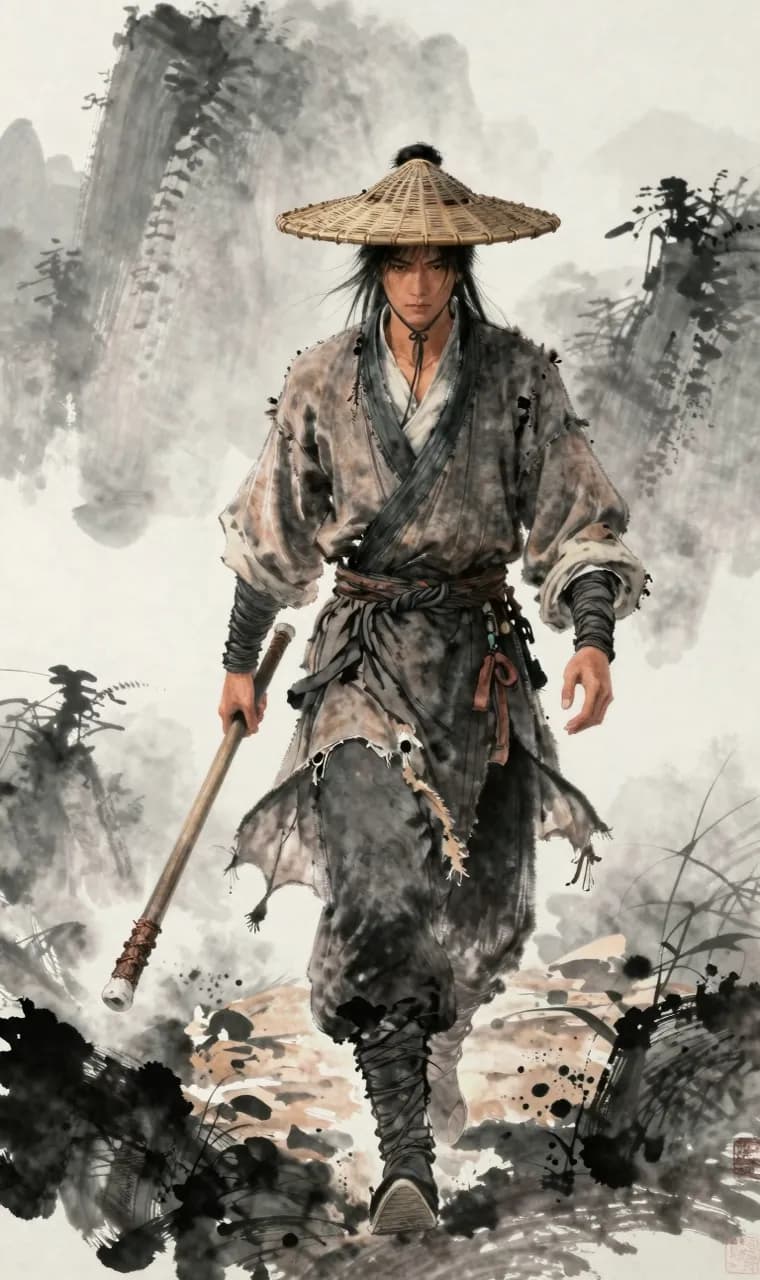
行者 (Xíngzhě)
Xíngzhě
The Walker
Meaning & Cultural Context
One who walks the path — not a master, not a disciple, just a traveler moving forward. Humility in motion.
📖Cultural Background
行者 (Xíngzhě) is a term for a Buddhist monk or a wandering practitioner, famously used by the Monkey King Sun Wukong in 'Journey to the West' (孙悟空行者). It means 'one who walks the path,' emphasizing action over title. The name embodies humility, perseverance, and a journey of self-discovery. It's fitting for a nomadic RPG character, a travel blogger, or a spiritual seeker. Culturally, it reflects the Buddhist ideal of the pilgrim who seeks enlightenment through travel and practice. In modern contexts, it's also used for '行者' (pedestrian) or '行者无疆' (the walker has no boundaries), implying limitless exploration.
Want a personalized Chinese name? Try our name generator!
Generate MineComprehensive Name Score
Contains culturally rich characters with traceable literary origins
Two-character name has good tonal rhythm. Moderate tonal variation. Adjacent syllables have well-contrasted tones. Syllable lengths are balanced and easy to pronounce
Balanced stroke complexity with elegant structure. Characters have well-balanced stroke counts
No five-element data available.
Two-character name feels modern and stylish
When to Use This Name
Frequently Asked Questions
What does the Chinese name 行者 (Xíngzhě) mean?
行者 (Xíngzhě) means "The Walker" in Chinese. One who walks the path — not a master, not a disciple, just a traveler moving forward. Humility in motion.
How do you pronounce 行者 in Chinese?
行者 is pronounced "Xíngzhě" in Mandarin Chinese. Practice each syllable's tone carefully for accurate pronunciation.
When should I use the name 行者?
行者 is a versatile Chinese name suitable for gaming usernames, social media profiles, language learning, and creative writing.