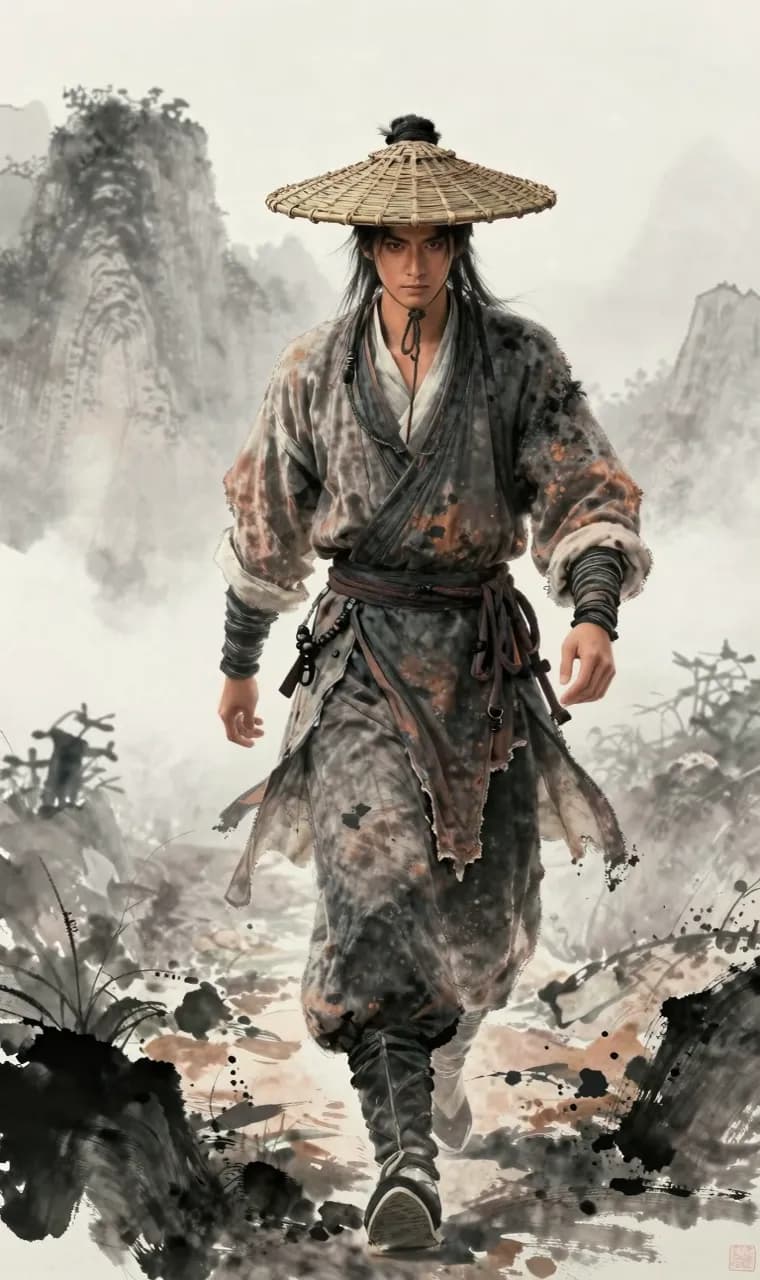
浪子 (Làngzǐ)
Làngzǐ
The Wanderer
Meaning & Cultural Context
A drifter with no home, no master, and no regrets. The classic jianghu archetype — rootless but free.
📖Cultural Background
浪子 (wanderer) is the quintessential jianghu archetype — a rootless drifter with no home, master, or regrets. The term appears in the phrase '浪子回头金不换' (a prodigal son who returns is more precious than gold), but in wuxia, it often carries romanticized independence. This name suits a rogue character, a lone swordsman living by his own code. It evokes the image of a traveler crossing rivers and lakes, unattached and free.
Want a personalized Chinese name? Try our name generator!
Generate MineComprehensive Name Score
Contains culturally rich characters with traceable literary origins
Two-character name has good tonal rhythm. Moderate tonal variation. Adjacent syllables have well-contrasted tones
Moderate stroke count
Single five-element attribute (water), pure but limited in variety
Two-character name feels modern and stylish. Low total stroke count is minimalist and easy to write
When to Use This Name
Frequently Asked Questions
What does the Chinese name 浪子 (Làngzǐ) mean?
浪子 (Làngzǐ) means "The Wanderer" in Chinese. A drifter with no home, no master, and no regrets. The classic jianghu archetype — rootless but free.
How do you pronounce 浪子 in Chinese?
浪子 is pronounced "Làngzǐ" in Mandarin Chinese. Practice each syllable's tone carefully for accurate pronunciation.
When should I use the name 浪子?
浪子 is a versatile Chinese name suitable for gaming usernames, social media profiles, language learning, and creative writing.
Zodiac Compatibility
Check which zodiac signs pair well with this name based on character radicals.