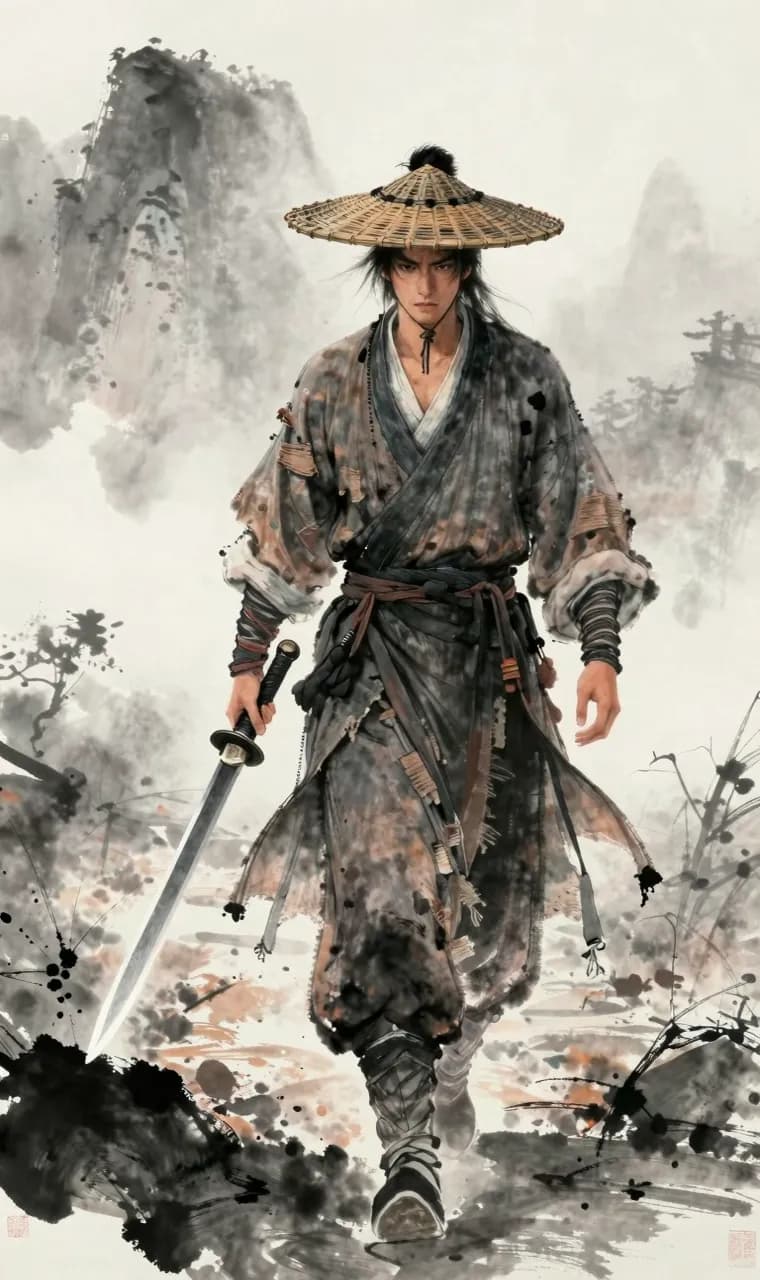
独行 (Dúxíng)
Dúxíng
Walking Alone
Meaning & Cultural Context
A lone wolf who needs no companions. Independence is strength — the road less traveled is the one worth walking.
📖Cultural Background
'独行' (Walking Alone) resonates deeply with Chinese literary traditions of the solitary hero. It echoes the Tang dynasty poet Li Bai's line 'I walk alone under the moon' and the Daoist ideal of self-reliance. In wuxia culture, the lone wolf archetype is celebrated — think of the 'Lone Ranger' or 'Dugu Qiubai' (独孤求败), a legendary swordsman who sought defeat. This name is ideal for a gaming character, especially in RPGs or martial arts games, where independence and strength are valued. It also suggests a philosophical stance: the courage to follow one's own path, free from societal expectations.
Want a personalized Chinese name? Try our name generator!
Generate MineComprehensive Name Score
Has some cultural depth
Two-character name has good tonal rhythm. Tones are relatively uniform
Balanced stroke complexity with elegant structure. Characters have well-balanced stroke counts
No five-element data available.
Two-character name feels modern and stylish
When to Use This Name
Frequently Asked Questions
What does the Chinese name 独行 (Dúxíng) mean?
独行 (Dúxíng) means "Walking Alone" in Chinese. A lone wolf who needs no companions. Independence is strength — the road less traveled is the one worth walking.
How do you pronounce 独行 in Chinese?
独行 is pronounced "Dúxíng" in Mandarin Chinese. Practice each syllable's tone carefully for accurate pronunciation.
When should I use the name 独行?
独行 is a versatile Chinese name suitable for gaming usernames, social media profiles, language learning, and creative writing.