吴Wu姓
Wú
呉(Wu)は、長江河口デルタ地帯の古代の呉国を指します。中国南部の豊かな文化と江南地方の精神を表しています。
Wú
Mainland China · Taiwan
Ng
Guangdong · Hong Kong
Goo
Fujian · Taiwan · SE Asia
Ngu
Meizhou · Taiwan · SE Asia
人口ランキング
#9
推定2800万人以上人
中国の上位100姓における順位
地理的分布
広東省、江蘇省、安徽省、浙江省
五行属性
木
成長、活力、優しさ
起源と変遷
楚国王室から世界への広がりへ——3000年の旅路
Zhou Dynasty
周朝·c. 1046 – 256 BC
Originated when Taibo and Zhongyong, sons of King Tai of Zhou, renounced the throne and fled south to found the state of Wu (吴) in the Yangtze delta, naming the surname after their realm.
Han Dynasty
汉朝·206 BC – 220 CE
The Spring and Autumn state of Wu produced King Fuchai, rival of Goujian of Yue, before being absorbed by Yue; descendants of the royal house carried the surname across the south.
Tang & Song
唐宋·618 – 1279
The Wu clan grew powerful in Jiangsu and Anhui, with the Puyang Wu lineage producing renowned Tang scholars and Song officials across the imperial bureaucracy.
Ming & Qing
明清·1368 – 1912
Wu spread widely through southern China, especially Guangdong, Jiangsu, and Anhui, while maritime migrants carried the surname to Southeast Asia and beyond.
Modern Era
现代·1912 – Today
The ninth most common surname in China with over 24 million people, with major clusters in Guangdong, Jiangsu, Anhui, and Zhejiang, and an outsized diaspora footprint.
郡
延陵郡(延陵郡) — 現在の江蘇省常州周辺
堂号
延陵堂 (Yanling Hall)
Yanling refers to the fiefdom granted to Jizha of Wu during the Spring and Autumn period — a figure renowned for his virtue and diplomatic wisdom.
宗祠
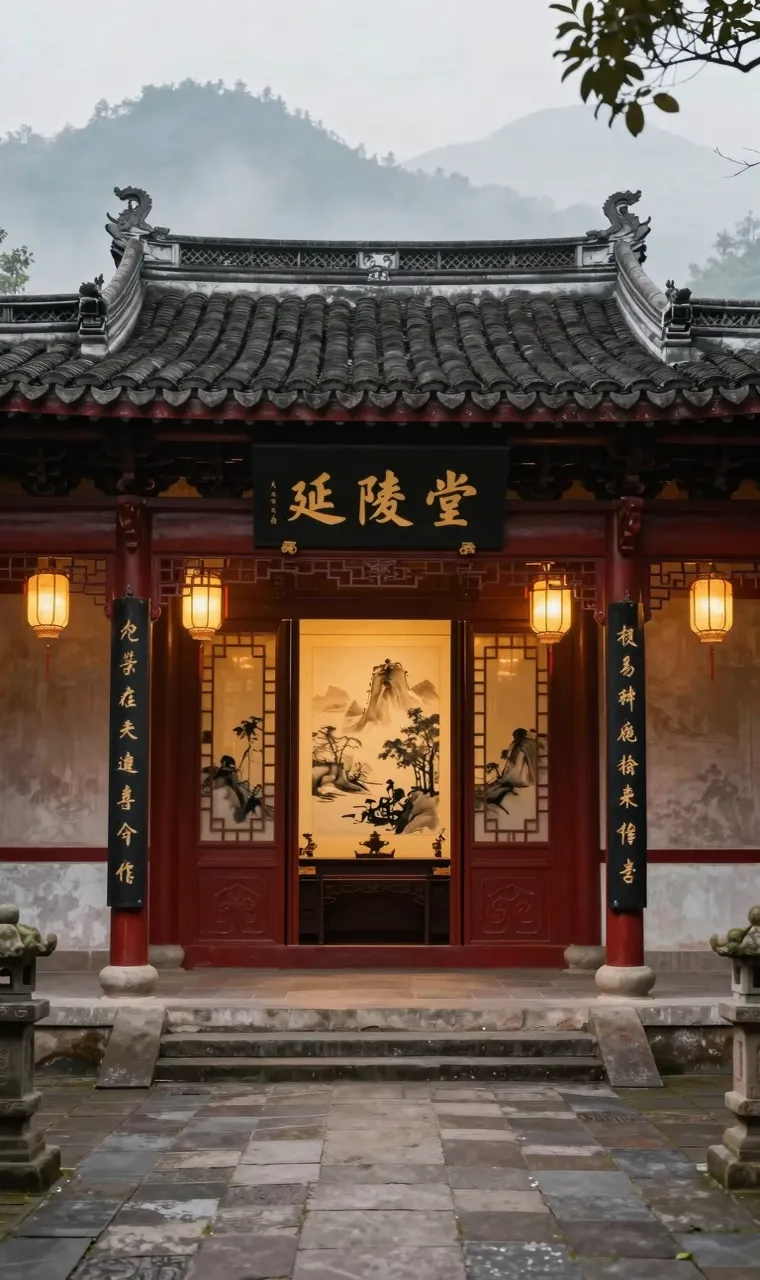
延陵(江蘇省)のWu氏族祠堂 — 呉国の伝説的な政治家である伍子胥を称えています。祠堂は古代の祭祀用器と氏族の系図を保存しています。
氏族の標語と家風
延陵世泽,让国家风 — 延陵の遺産。国を譲る伝統は続く。
Wuという名の有名な人々
King Fuchai of Wu
吴王夫差
reigned 495 – 473 BC
KingLast ruler of the state of Wu whose doomed rivalry with Goujian of Yue became one of the most retold cautionary tales of hubris and revenge in Chinese history.
Wu Daozi
吴道子
c. 680 – 760
PainterTang dynasty master revered as the 'Sage of Painting', whose flowing brushwork on Buddhist and Daoist murals set the standard for Chinese figure painting.
Wu Cheng'en
吴承恩
c. 1500 – 1582
NovelistMing dynasty author of 'Journey to the West' (西游记), the immortal mythological novel of the Monkey King that has shaped East Asian imagination for centuries.
声調の互換性
Wu (Wú) は第二声声調(上昇)の姓です。中国の命名では、バランスの取れた声調パターンが調和のとれた名前を生み出します。
推奨パターン
安らかで泰然
広大で吉祥
高く舞い上がる志
避けるべきパターン
各数字は声調を表します(1=平, 2=昇, 3=降昇, 4=降)。最初は姓の声調、続く2つは名前の声調です。
Wuを含む例の名前
Wu氏の家族伝説
人気の中国語名コレクション
自分独自のユニークな中国語の名前が欲しいですか?
私たちのエンジンは、あなたの英語の名前と好みのスタイルに基づいてパーソナライズされた名前を作成します。
名前ジェネレーターを試す→よくある質問
中国の姓氏 Wu はどういう意味ですか?
姓の呉(Wu)は、長江河口デルタ地帯の古代の呉国を指します。その文字は「口」(口)と「天」(天)を組み合わせたもので、「大声で話す」または「宣言する」を意味する可能性があります。中国南部、特に優雅さ、繁栄、洗練で知られる江南地方の豊かな文化を表しています。
Wu の姓氏の起源はどこですか?
呉姓は、周の太王の長男である太伯が、自らの王位を放棄して南方に逃れ、呉国を建国したことに遡ります。彼の子孫は呉を姓として採用しました。別の系統は、越国に征服された春秋時代の呉国に由来します。
Wu という姓氏の有名人は誰ですか?
武則天(624-705年)は、中国史上唯一の女帝です。呉承恩(1500-1582年)は、『西遊記』の著者です。呉儀(1938年生まれ)は、元中華人民共和国国務院副総理です。呉亦凡(1990年生まれ)は、歌手、俳優(クリス・ウー)です。
Wu 姓に合う名前は?
呉の名前は、その南部の優雅さと文化的豊かさを反映することが多いです。呉艳(艳、「華やかな」)や呉清(清、「澄んだ」)のような名前は洗練を呼び起こします。より学術的なタッチとしては、呉文(文、「文学」)や呉智(智、「知恵」)が姓の遺産を補完します。呉の江南地方の意味合いは優雅または教養のある文字とよく合うため、田舎風すぎる名前は避けるべきです。