吴Wu성씨
Wú
吴(Wu)는 양쯔강 삼각주에 있던 고대 오(吳)나라를 가리킵니다. 중국 남부의 풍부한 문화와 강남 지역의 정신을 나타냅니다.
Wú
Mainland China · Taiwan
Ng
Guangdong · Hong Kong
Goo
Fujian · Taiwan · SE Asia
Ngu
Meizhou · Taiwan · SE Asia
인구 순위
#9
약 2800만 명 이상명
중국 상위 100개 성씨 중 순위
지리적 분포
광둥성, 장쑤성, 안후이성, 저장성
오행 속성
목
성장, 활력, 친절
기원과 변천
초나라 왕실에서 전 세계로 — 3,000년의 여정
Zhou Dynasty
周朝·c. 1046 – 256 BC
Originated when Taibo and Zhongyong, sons of King Tai of Zhou, renounced the throne and fled south to found the state of Wu (吴) in the Yangtze delta, naming the surname after their realm.
Han Dynasty
汉朝·206 BC – 220 CE
The Spring and Autumn state of Wu produced King Fuchai, rival of Goujian of Yue, before being absorbed by Yue; descendants of the royal house carried the surname across the south.
Tang & Song
唐宋·618 – 1279
The Wu clan grew powerful in Jiangsu and Anhui, with the Puyang Wu lineage producing renowned Tang scholars and Song officials across the imperial bureaucracy.
Ming & Qing
明清·1368 – 1912
Wu spread widely through southern China, especially Guangdong, Jiangsu, and Anhui, while maritime migrants carried the surname to Southeast Asia and beyond.
Modern Era
现代·1912 – Today
The ninth most common surname in China with over 24 million people, with major clusters in Guangdong, Jiangsu, Anhui, and Zhejiang, and an outsized diaspora footprint.
군명
옌링군 (延陵郡) — 현재의 장쑤성 창저우 지역
당호
延陵堂 (옌링 당)
Yanling refers to the fiefdom granted to Jizha of Wu during the Spring and Autumn period — a figure renowned for his virtue and diplomatic wisdom.
종묘
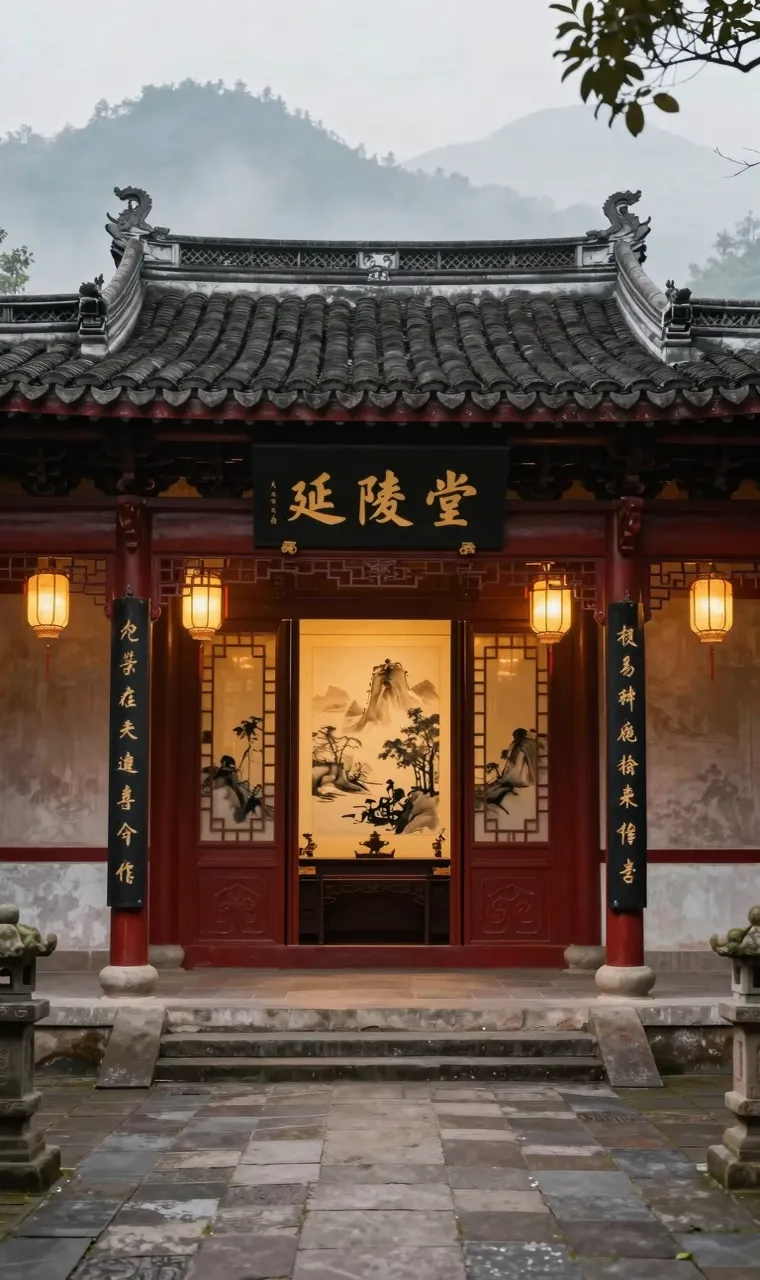
장쑤성 옌링의 Wu 가문 사당 — 오나라의 전설적인 정치가 오자서를 기립니다. 이 사당은 고대 제기와 가문 족보를 보존하고 있습니다.
씨족 표어 및 가문 전통
延陵世泽,让国家风 — 옌링의 유산; 왕위를 양보하는 전통이 이어집니다.
Wu씨의 유명한 사람
King Fuchai of Wu
吴王夫差
reigned 495 – 473 BC
KingLast ruler of the state of Wu whose doomed rivalry with Goujian of Yue became one of the most retold cautionary tales of hubris and revenge in Chinese history.
Wu Daozi
吴道子
c. 680 – 760
PainterTang dynasty master revered as the 'Sage of Painting', whose flowing brushwork on Buddhist and Daoist murals set the standard for Chinese figure painting.
Wu Cheng'en
吴承恩
c. 1500 – 1582
NovelistMing dynasty author of 'Journey to the West' (西游记), the immortal mythological novel of the Monkey King that has shaped East Asian imagination for centuries.
성조 호환성
Wu (Wú) 2성성 (상승성) 성조의 성씨입니다. 중국어 작명에서 균형 잡힌 성조 패턴은 조화로운 소리의 이름을 만듭니다.
추천 패턴
평안하고 태연함
넓고 상서로움
높이 솟는 뜻
피해야 할 패턴
각 숫자는 성조를 나타냅니다 (1=평, 2=승, 3=강승, 4=강). 첫 번째는 성씨 성조, 다음 두 개는 이름의 성조입니다.
Wu씨가 포함된 예시 이름
당신의 Wu 가문 전설
인기 중국어 이름 컬렉션
고유한 중국어 이름을 원하세요?
엔진이 영어 이름과 선호 스타일을 기반으로 맞춤형 이름을 만듭니다.
이름 생성기 시도→자주 묻는 질문
중국 성씨 Wu은(는) 무슨 뜻인가요?
성씨 吴(Wu)는 양쯔강 삼각주에 있던 고대 오(吳)나라를 가리킵니다. 그 한자는 口(입)과 天(하늘)을 결합하여 '크게 말하다' 또는 '선포하다'를 의미할 수 있습니다. 우아함, 번영, 세련됨으로 유명한 중국 남부, 특히 강남 지역의 풍부한 문화를 나타냅니다.
Wu 성씨의 기원은 어디인가요?
吴(Wu) 성은 주나라 태왕의 장남인 태백(泰伯)으로 거슬러 올라갑니다. 그는 자발적으로 왕위를 포기하고 남쪽으로 도망쳐 오(吳)나라를 세웠습니다. 그의 후손들은 Wu를 성으로 채택했습니다. 다른 한 갈래는 월나라에 정복된 춘추 시대의 오(吳)나라에서 유래했습니다.
Wu 성씨를 가진 유명인은 누구인가요?
Wu Zetian (624–705)은 중국 역사상 유일한 여성 황제입니다. Wu Cheng'en (1500–1582)은 '서유기'의 저자입니다. Wu Yi (1938년 출생)는 중국의 전 부총리입니다. Wu Yifan (1990년 출생)은 가수이자 배우(Kris Wu)입니다.
Wu 성씨와 잘 어울리는 이름은?
Wu의 이름은 종종 그 남부적 우아함과 문화적 풍요로움을 반영합니다. Wu Yan (艳, 화려함)이나 Wu Qing (清, 맑음)과 같은 이름은 세련됨을 불러일으킵니다. 더 학구적인 느낌을 위해 Wu Wen (文, 문학)이나 Wu Zhi (智, 지혜)는 성의 유산을 보완합니다. Wu의 강남적 의미는 우아하거나 교양 있는 한자와 잘 어울리므로 지나치게 소박한 이름은 피하십시오.